
Freshly Milled Flour 101: Start Here

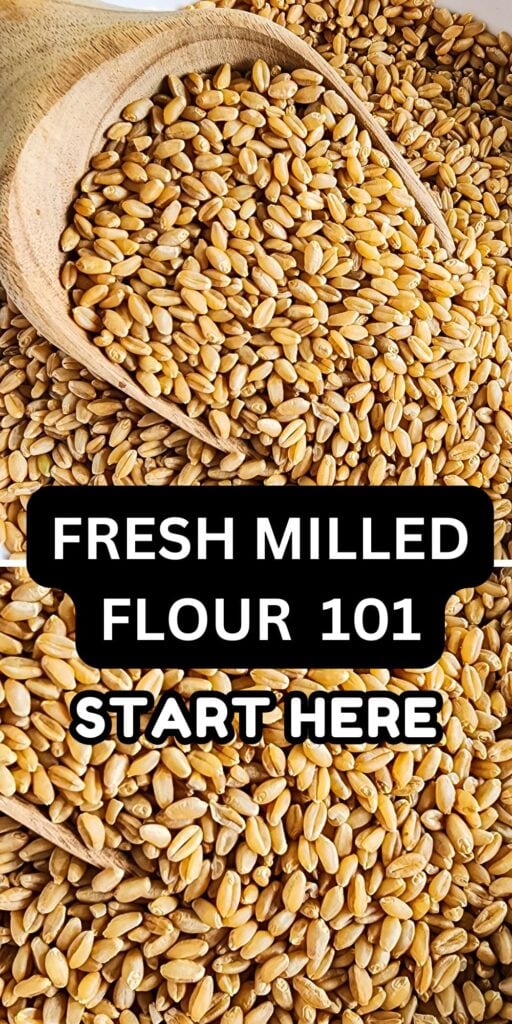
Freshly Milled Flour 101: Everything You Need to Know to Get Started.
When I first started baking with freshly milled flour, I remember thinking something was wrong. The dough felt different. The batter thickened as it sat. Recipes didn’t always behave the way they used to with store-bought flour.
What I didn’t realize at the time was that nothing was wrong at all.
Even after decades of baking experience, freshly milled flour came with a steep learning curve for me. It simply behaves differently than refined flour, and no one really explains that upfront. Once I understood why, everything started to make sense, from absorption to texture to timing.

This Freshly Milled Flour 101 page walks through the basics so you know what to expect before you start baking. My goal is to help you feel confident from the beginning, without frustration or guesswork.
Freshly milled flour behaves differently than store-bought flour because it contains the full grain, including the bran and germ. This affects absorption, texture, and timing, which is why rest time and small adjustments matter when baking with freshly milled flour.
What is Fresh Milled Flour?
Freshly milled flour is flour made by grinding whole grains right before baking. That means the bran, germ, and endosperm are all still there, exactly as they were in the grain.
Nothing has been stripped away. Nothing has been sitting on a shelf for months.
Because of that, freshly milled flour behaves differently than store-bought flour, especially when it comes to absorption.

Why freshly milled flour behaves differently than store-bought flour:
Store-bought flour is highly refined and extremely consistent. Freshly milled flour is whole, natural, and much more alive. That’s exactly why I love it so much, and also why it came with a steeper learning curve for me in the beginning. The same qualities that make freshly milled flour more nourishing and flavorful are the ones that make it behave so differently!
With freshly milled flour:
- The bran and germ are still present
- Texture can vary slightly from batch to batch
- Dough and batter change as they rest
These differences aren’t problems. They’re simply part of working with whole grains. And for our family, those differences have been worth it!
Two of my sons struggled with stomach issues for years. Switching to freshly milled flour made a noticeable difference for them, which is something I never expected when I first started baking this way.
I think part of the reason is that many of us have only ever baked with refined flour. We are told that sourdough is the ultimate answer, and while sourdough can absolutely have a place, it is usually made with store-bought flour that has already been stripped of much of its natural nutrition.
When I tried switching back to sourdough made with refined flour, my kids noticed the difference almost immediately and asked to go back to the bread they felt better eating. That was a big moment for me, and it really drove home how important the flour itself is, not just the method!
Freshly milled flour is nourishing in a way many people have never experienced, simply because they have never baked with truly fresh flour before!
Why absorption varies with freshly milled flour
If a dough or batter feels different than expected, it usually comes down to one of a few simple factors.
The grain mill you use
Not all grain mills grind flour the same way.
Some mills produce a very fine, soft flour. Others create a slightly coarser texture, even when set to fine. Finer flour tends to absorb liquid more quickly, while coarser flour may take a little longer to fully hydrate. Neither is better or worse.
What matters most as a beginner is knowing that:
- Dough that feels dry at first often softens after resting
- Small liquid adjustments may be needed depending on your mill
The texture of freshly milled flour
Freshly milled flour is not uniform like white flour. You will often see tiny flecks of bran throughout, especially with whole wheat. Those golden flecks are a natural part of the grain, and honestly, I think they’re beautiful!
Bran absorbs liquid slowly. Because of this:
- Dough may feel stiff right after mixing
- Batter can thicken as it sits
- Rest time makes a noticeable difference
This is why many freshly milled recipes include a short rest before shaping or baking.
How to Store Fresh Milled Flour:
Freshly milled flour is different from store-bought flour because it still contains the natural oils from the grain. Because of that, it should not be stored on the counter like refined flour. Leaving freshly milled flour at room temperature for extended periods can affect both freshness and flavor.
For best results, use freshly milled flour soon after milling or store it in a way that protects it from heat and air.
What actually matters in the beginning:
You do not need to calculate hydration percentages or completely change recipes to bake successfully with freshly milled flour.
SAVE THIS RECIPE FOR LATER!
A simple approach works best:
- Mix the dough or batter as written
- Allow any rest time included in the recipe
- Make small adjustments only after resting
Freshly milled flour rewards paying attention more than following strict rules.
You don’t have to start with every grain
When I first started baking with freshly milled flour, I kept it very simple. I used hard red wheat and hard white wheat for almost everything, and that was more than enough to learn the basics.
Over time, as I got more comfortable, I slowly branched out. Now I regularly use a variety of different wheat berries, and each one brings something a little different to the table in terms of flavor and texture.
If you’re new, there is no rush to try everything at once. Starting with one or two grains helps you learn how freshly milled flour behaves without feeling overwhelmed. As your confidence grows, exploring different grains can be a fun and natural next step.
Common beginner mistakes with freshly milled flour:
These are very common and easy to fix once you know what to look for.
- Adding extra flour too quickly
- Skipping rest time
- Expecting fresh flour to behave exactly like white flour
If something feels off, pause and give the dough a few minutes before changing anything. Many times, the flour just needs time to hydrate.
Best recipes to start with when using freshly milled flour:
Some recipes are more forgiving than others when you’re learning.
Great beginner options include:
You can find more tested recipes on my freshly milled flour recipes page.
Frequently Asked Questions About Freshly Milled Flour
Do I need to change all my recipes when using freshly milled flour?
No. Many recipes work well with a few changes. Rest time and observation matter more than exact measurements.
Why does my dough feel dry at first but softer later?
This is usually because the bran absorbs liquid slowly. After resting, the dough often becomes softer without adding more liquid.
Is freshly milled flour harder to work with?
It can feel very different at first, but it becomes easier as you learn how it behaves in your kitchen.
Does freshly milled flour always need more liquid?
Not always. Sometimes it just needs more time, not more liquid.
Can I use freshly milled flour the same day I mill it?
Yes. Freshly milled flour can be used the same day it’s milled. In fact, using it soon after milling helps preserve the natural nutrients found in the whole grain. Just keep in mind that very fresh flour may benefit from extra rest time before making adjustments to dough or batter.
A few things to remember:
Baking with freshly milled flour is not about perfection. It’s about learning how the flour responds in your own kitchen.
Once you understand how your mill, flour texture, and flour age affect absorption, everything starts to click. And for many families, including mine, the benefits go far beyond baking alone!
If this feels like a lot to take in, you’re not alone. Freshly milled flour comes with a learning curve, even for experienced bakers.
If you’re brand new to freshly milled flour and want something simple to reference as you start baking, I’ve put together a free download that walks through the basics in an easy, beginner-friendly way. It’s a great place to start if you want a little extra guidance without feeling overwhelmed.
For those who want to go deeper, I also share my complete step-by-step approach in my paid guide. That’s where I walk through the systems I use in my own kitchen, including how I get consistent results when baking with freshly milled flour. This post is meant to give you confidence. The guide is there when you’re ready for more! Get the Complete Guide To Fresh Milled Flour Here